Dental Emergencies
Common Dental Emergencies
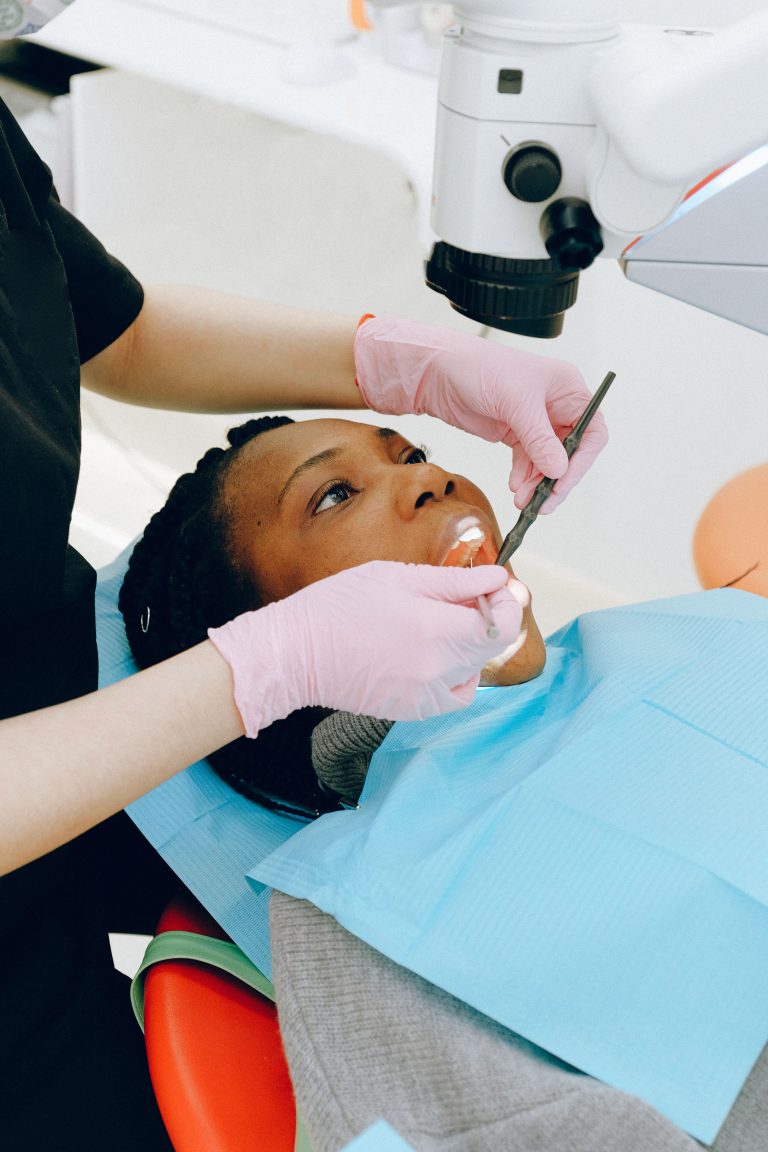
Dental emergencies range from mouth bleeding due to an injury or getting hit in the face, cracked and broken teeth, oral infections and extreme pain.
Whenever an accident or a dental emergency has occurred, it is extremely important to be examined by a dentist or a medical professional as soon as possible in order to prevent further injury and restore the mouth to full oral health.
Types of Dental Emergencies
Abscess Formation
Abscesses and infections occur as the result of poor oral hygiene and gum disease.
Mouth Injury
Getting assaulted with a weapon in the mouth or falling can cause injuries to the mouth and gums.
Cracked or Broken Tooth
A broken tooth can occur from biting hard food, sweets, opening a bottle cap using teeth, or due to an assault.
Loose Tooth
Loose teeth can occur as the result of tooth decay, a severe gum and bone disease called periodontitis, or an injury to the mouth region.
Severe Toothache
Severe toothaches can occur due to cavities, losing a filling or gum disease and inflammation.
First Aid for Dental Emergencies
First aid for dental emergencies often involves reducing pain and swelling, and finding any chips or exfoliated teeth so that they can be inserted back into the mouth.
For mouth injuries, swelling and toothaches, it may help to place a cool, wet washcloth or ice pack to the side of the face.
Additionally, pain medication can be administered to reduce the pain, or a topical oral anaesthetic can be used to help reduce pain while travelling to the emergency dental provider’s practice.
Preserving an Exfoliated Tooth
An attempt to find and preserve the pieces of an exfoliated tooth needs to be made in the event that a dental provider may want to pursue re-implantation or attachment.
In the case of teeth that have completely fallen out, it is extremely important not to touch the root of the exfoliated tooth.
The tooth should either be cleaned and placed back into the socket, or kept in a saline solution until re-implantation is done. Biting down on a clean, sterile piece of gauze can help hold the tooth in place.
Mouth injuries, oral infections, abscesses and toothaches may benefit from being rinsed with warm salt water, which can help alleviate pain and help draw out any infection.
Preventing Dental Emergencies
To prevent dental emergencies, safety precautions such as the use of a mouthguard should be taken when partaking in contact sports that could injure the face and mouth.
Avoiding hard sweets and tough meats, and not chewing on bones, are just some of the ways to prevent the chipping of healthy teeth.