Sealants and Fillings
Differences Between Sealants and Fillings
The main difference between a sealant and a filling is that a sealant is preventative, while a filling is restorative and repairs tooth damage.
A sealant is a prophylactic measure that is done early on children’s teeth to prevent future fillings. Fillings are used to fix cavities that have already formed on the surface of a tooth.
Dental Fillings
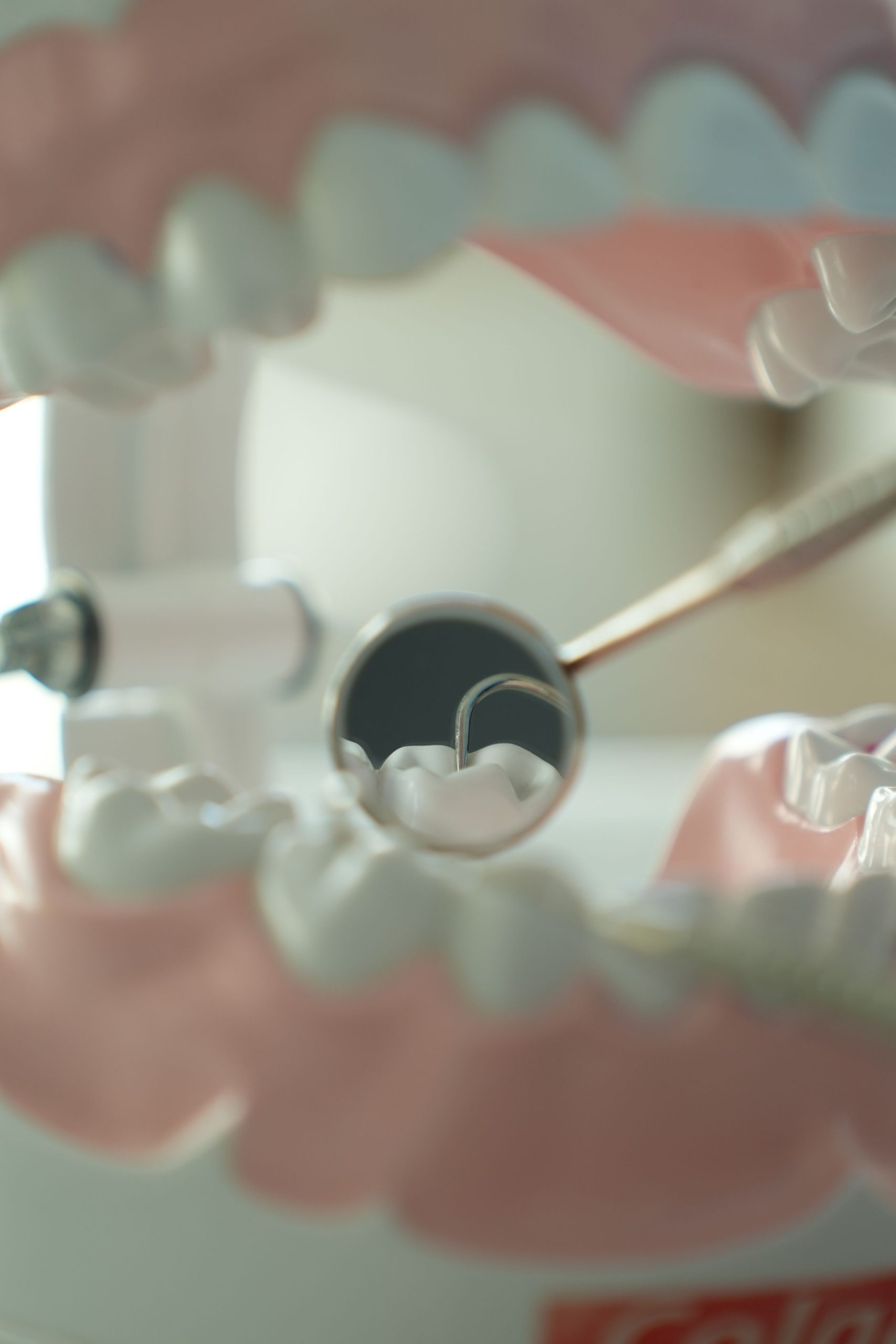
Fillings are further categorised according to:
- The filling material used
- The treatment’s duration
- The degree of tooth alteration required
- The expense of the treatment
Fillings can last for more than five years.
Dental Sealants
Sealants are expected to last no more than a year. They are best suited for children’s teeth and can be avoided with frequent brushing, removing accumulating food particles and practising a good dental hygiene routine.
Sealants are used on premolars and molars with deep fissures or grooves to lower the risk of tooth decay.
The longer bacteria stay in these grooves, the more plaque they produce, increasing the likelihood of developing cavities. A filling will then be required.
How Sealants and Fillings Affect Teeth
Fillings cause the normal structure of teeth to change as decayed areas are removed, whereas sealants do not.
The sealant substance resembles a tooth-coloured plastic coating that, when placed on a tooth, protects it against decay.
The Dental Sealant Procedure
During the treatment, a dentist will clean and prepare your tooth before applying the sealant.
The sealant then settles into the natural grooves of the teeth before being hardened and cured by your dentist using ultraviolet radiation.
During the final phase, your dentist will check that the sealant fully protects your tooth.
After the procedure, your tooth surface will be smooth, easy to clean and decay-resistant.