Replacing Lost Teeth
Importance of Replacing Lost Teeth
Tooth loss is commonly caused by tooth decay or trauma.
While it can be remedied with restorative options such as dental implants, bridges and dentures, many people choose to forgo treatment and simply live with the loss.
Financial challenges and the high cost of dental implants or other restorations may discourage individuals from replacing missing teeth.
Jawbone Loss
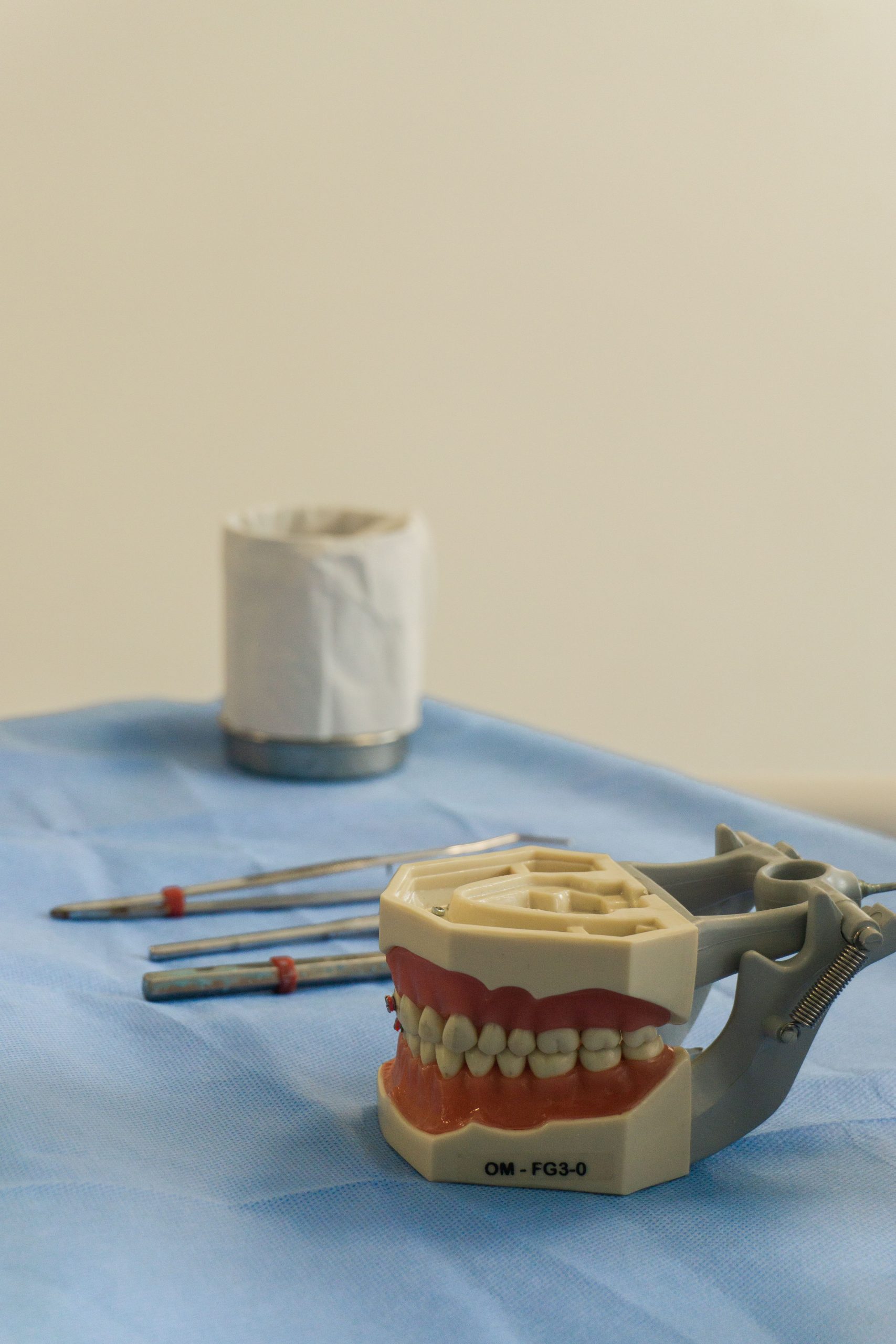
Not replacing a missing tooth can lead to additional dental problems and jawbone loss.
Teeth stimulate and support the jawbone, similar to how exercise stimulates and supports muscle health.
When teeth are missing, the jawbone loses this stimulation and can start to weaken.
Dental implants use screws that fuse with the bone to provide strong support. This process, called osseointegration, helps support both the jawbone and the visible crown.
Shifting Teeth and Jaw Problems
Although teeth are firmly attached to the jawbone, they can still shift and move over time due to various reasons such as gum recession and tooth decay.
This shifting can be accelerated significantly if one or more teeth are missing, as the gaps created can cause adjacent teeth to shift.
The way your teeth come together when you bite, known as occlusion, can be affected by missing teeth, leading to potential jaw problems called TMJ disorders.
Orthodontic treatment can help correct this malalignment.
Difficulty Eating
Depending on the location of the missing tooth or teeth, you may experience difficulty eating certain foods you enjoy.
Missing front teeth can pose problems while breaking off bites of food, while missing molars can affect chewing and digestion, potentially leading to issues such as acid reflux.
Changes to Facial Appearance
Dentition helps maintain the shape and structure of your face.
When teeth are missing, atrophy can occur, causing the jawbone to resorb and the face to appear sunken and aged.
This is especially noticeable in people with removable dentures when they take them out.
Speech Problems
Missing teeth, or even large gaps between teeth, can also make it difficult to pronounce certain words.
This can lead to problems with speech such as slurring, whistling or even spitting.